When most creators think about growing on YouTube, they focus heavily on video ideas, thumbnails, or titles. While those elements are important, one critical factor is often ignored—the YouTube layout.
The way YouTube is structured, from the homepage to the channel page and even the video watch screen, plays a huge role in how viewers discover, consume, and engage with your content. Understanding this layout is not just about navigation—it’s about visibility.
If you’ve ever wondered why some channels seem to guide viewers smoothly from one video to another while others struggle to hold attention, the answer often lies in how well they use the platform’s layout features. YouTube doesn’t randomly suggest videos; it responds to how your content fits into its design.
In this guide, we’ll break down the YouTube new layout in a practical, creator-focused way. You’ll learn how to align your videos, channel structure, and viewer flow with YouTube’s interface so that views grow naturally, not accidentally.
What Is YouTube Layout and Why It Matters
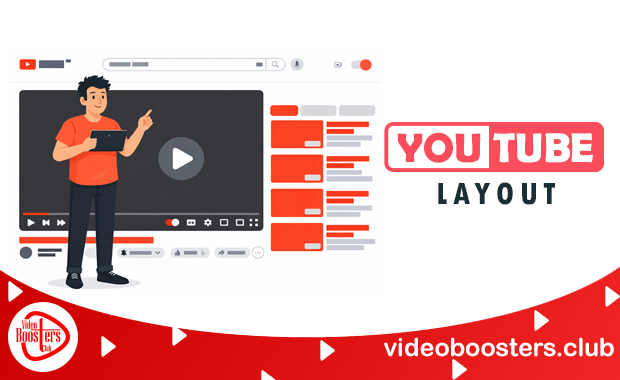
The YouTube layout refers to how content, features, and navigation elements are arranged across the platform. This includes the homepage feed, search results, channel pages, video watch screens, Shorts feed, and even YouTube Studio.

From YouTube’s perspective, layout is about user experience. YouTube is designed to keep viewers watching longer, exploring more videos, and coming back again and again. From a creator’s perspective, the layout determines where your videos appear, how they’re presented, and what actions viewers take next.
What makes this powerful is that YouTube’s algorithm doesn’t work in isolation. It reacts to how users interact with the layout. When viewers click suggested videos, browse channel sections, or continue watching playlists, YouTube interprets those actions as satisfaction signals.
In simple terms, if your content is optimized for the YouTube layout, the algorithm has an easier job promoting your videos.
Understanding the YouTube Homepage Layout
The homepage is the first battlefield for views. It’s where YouTube decides which videos deserve attention based on viewer behavior, interests, and past interactions.
1. How the Homepage Is Structured
The homepage isn’t random. It’s made up of different content rows such as recommended videos, recently watched content, Shorts, and topic-based suggestions. Each row is personalized for the user.
This means your video doesn’t need to be trending globally to appear—it only needs to be relevant to a specific viewer. That’s where layout understanding becomes valuable.
2. How Creators Can Use This to Gain Views
To benefit from the homepage layout, your video needs to perform well in the first few impressions. Thumbnails must visually stand out within a horizontal scroll, and titles must spark curiosity without confusion.
More importantly, consistency helps. When YouTube sees that viewers repeatedly engage with your videos from the homepage, it starts positioning your content more confidently within that layout.
The homepage rewards creators who understand viewer psychology, not just algorithms.
Search Results Layout and Visibility Strategy
Search is one of the most underestimated parts of the YouTube layout. Many creators treat search as a secondary traffic source, but for evergreen content, it’s often the most reliable.
1. How Search Results Are Displayed
Search results typically show a mix of videos, Shorts, channels, and sometimes playlists. The top positions are dominated by content that aligns well with user intent, watch time, and engagement signals.
Unlike the homepage, search viewers are actively looking for something. This changes how your video should be structured.
2. Optimizing Videos for Search Layout
Titles should be clear and intent-driven, while descriptions should expand naturally on the topic. When your video aligns well with the search layout, it becomes easier for YouTube to keep showing it long after publication.
Creators who master search layout optimization often experience slow but steady growth that compounds over time.
Channel Page Layout: Your Digital Storefront
Your channel page is often the second place viewers visit after watching a video. If the layout is confusing or empty, viewers leave. If it’s organized, they stay and explore.
1. First Impressions Matter
The banner, profile image, and channel description all appear immediately. A cluttered or outdated layout can silently reduce trust.
The goal of a good channel layout is to answer one question instantly: What should I watch next?
2. Using Sections to Guide Viewers
YouTube allows creators to customize channel sections, such as popular uploads, recent videos, playlists, and Shorts. These sections are not decorative—they are directional tools.
When you arrange content logically, viewers are more likely to binge-watch. Binge behavior is one of the strongest positive signals you can send to YouTube.
This is one area where the YouTube layout directly influences watch time and session duration.
Video Watch Page Layout and Viewer Retention
The video watch page is where views either multiply or die. Everything around the video—the title placement, description, comments, and suggested videos—affects viewer behavior.
1. Understanding Viewer Focus Zones
When someone watches a video, their attention shifts between the video player, the title, the description, and the suggested videos on the side or below.
If your video fails to hold attention early, viewers are drawn toward suggested content. This is where retention becomes critical.
2. Using Layout Elements to Keep Viewers Watching
End screens, cards, and pinned comments are built-in layout features that creators often underuse. These tools are designed to keep viewers inside your content ecosystem.
When used strategically, they help turn a single view into multiple views without forcing the viewer.
Playlists: The Most Powerful Layout Feature You’re Not Using Enough
Playlists are one of the most underrated aspects of the YouTube layout. They are not just collections of videos—they are viewing paths.
1. How Playlists Influence Algorithm Behavior
When a viewer watches multiple videos from a playlist, YouTube registers higher session duration. This benefits every video inside that playlist.
Playlists also appear in search results and suggested sections, giving your content more surface area across the platform.
2. Designing Playlists for Viewer Flow
A strong playlist tells a story or solves a problem step by step. The layout encourages viewers to move forward without making decisions, which reduces drop-off.
Creators who build intentional playlists often see higher average view duration and more returning viewers.
Shorts Layout and Its Impact on Long-Form Views
The Shorts feed is a completely different layout, but it directly affects long-form growth.
1. How the Shorts Layout Works
Shorts are displayed in a vertical, swipe-based feed designed for rapid consumption. The goal here is exposure, not depth.
However, YouTube increasingly connects Shorts with long-form videos, allowing creators to funnel attention.
2. Turning Shorts Views Into Channel Growth
By aligning Shorts content with your main topics, you make it easier for viewers to recognize your channel when they encounter it again.
When someone clicks through to your channel from a Short, the channel layout becomes crucial. This is where Shorts and long-form strategy intersect.
How YouTube Studio Layout Helps Improve Views
Most creators use YouTube Studio only to check views. That’s a missed opportunity.
1. Understanding Data Presentation
The Studio layout highlights retention graphs, traffic sources, and audience behavior. These are not just numbers—they explain how viewers interact with the YouTube layout.
For example, if suggested traffic drops, it often means your video isn’t competing well in the watch page layout.
2. Using Insights to Adjust Content
Creators who regularly study Studio data can align future videos with what the layout rewards. Small changes in structure or pacing can significantly improve performance.
Mobile vs Desktop Layout: Why It Changes Everything
Over 70% of YouTube watch time is generated through mobile devices, highlighting the importance of mobile optimization. The layout experience is completely different.
1. Mobile Layout Priorities
On mobile, thumbnails are larger, descriptions are hidden, and suggested videos appear below the player. This means your hook and early retention matter more than ever.
Creators who focus only on desktop often miss out on mobile engagement without even realizing what’s going wrong.
2. Adapting Content for Both Experiences
A strong YouTube strategy considers how content feels in both layouts. This includes pacing, visual clarity, and call-to-actions that don’t rely on long descriptions.
Common Layout Mistakes That Reduce Views
Even experienced creators make layout-related mistakes that silently hurt growth.
One common issue is neglecting channel organization. Another is overloading titles without considering how they appear in different layouts.
Some creators also ignore end screens or place them too late, missing the chance to guide viewers.
Understanding these mistakes allows you to fix problems that have nothing to do with content quality.
How the YouTube Layout Aligns With the Algorithm
The algorithm doesn’t promote videos—it promotes viewer satisfaction.
The YouTube channel layout exists to measure that satisfaction through clicks, watch time, and continued viewing. When your content fits naturally into this system, growth becomes predictable.
Instead of fighting the algorithm, successful creators design content that flows smoothly through the platform’s layout.
Advanced Layout Strategies Used by Growing Channels
Mid-sized and fast-growing channels often use layout intentionally.
They group content strategically, optimize watch pages, and design thumbnails that stand out in multiple placements.
They also think in terms of journeys rather than individual videos, using the YouTube’s new layout as a roadmap.
The Future of YouTube Layout and Creator Opportunities
YouTube constantly updates its interface. Features like YouTube AI recommendations, deeper Shorts integration, and personalized home feeds are reshaping how views are distributed.
Creators who understand layout changes early gain a competitive advantage.
Instead of reacting late, adapting early keeps your channel visible even during platform shifts.
Final Thoughts
Most creators chase views by chasing trends. Smart creators grow by understanding systems.
The YouTube layout is not just a design—it’s a behavior-shaping framework. When you learn how viewers move through it, where they pause, and where they click next, you unlock a more sustainable path to growth.
Improving views doesn’t always require better content ideas. Sometimes, it simply requires better placement, structure, and flow within the platform you’re already using.
When you start treating the channel’s layout as a strategy—not an afterthought—you stop guessing and start growing.
Frequently Asked Questions (FAQs)
1. What does YouTube layout mean for creators?
The layout is how videos, channels, playlists, and recommendations are arranged across the platform. For creators, it determines where content appears and how viewers move from one video to another.
2. Can improving the YouTube layout really increase views?
Yes. A well-structured channel layout helps viewers watch more videos, increases session time, and improves engagement, which can lead to higher visibility and more views.
3. How important is channel layout compared to video quality?
Both are important, but channel layout helps maximize the impact of good videos. An organized channel makes it easier for viewers to continue watching your content.
4. Does the layout work differently on mobile and desktop?
Yes. Mobile focuses on vertical scrolling and larger thumbnails, while desktop emphasizes side recommendations and channel sections, affecting how viewers discover videos.
5. How often does YouTube change its layout?
YouTube updates its layout frequently, with small tweaks and occasional major changes aimed at improving user experience and content discovery.